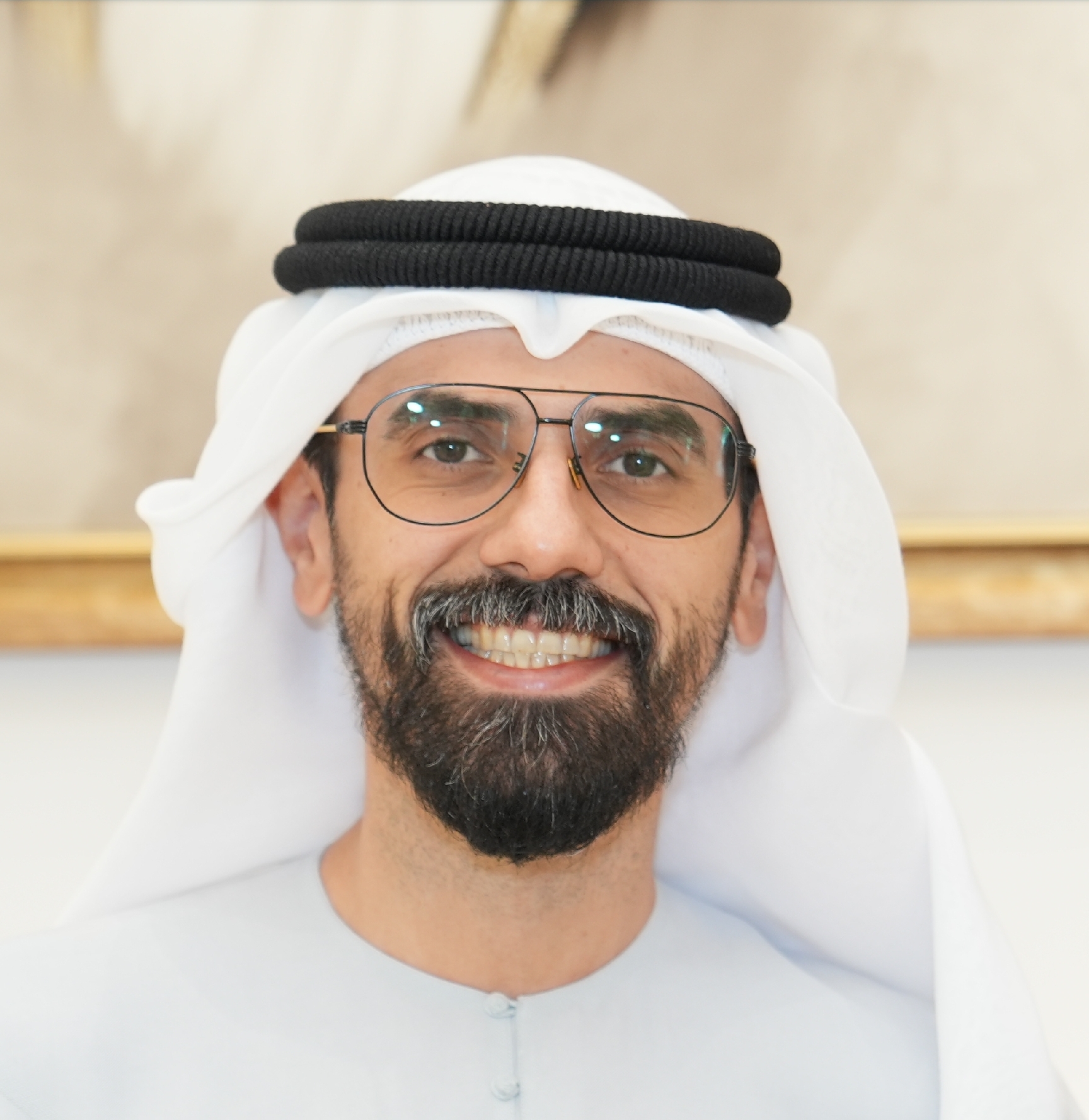
From medicine into the systems around it.
My background is in internal medicine and neurology. After my early years of practice, I moved to Germany to specialise in neurology, working as a guest physician where the opportunity allowed. Alongside those clinical years, I completed observerships in the United States and the United Kingdom, primarily in neurology — not for practice in those countries, but to understand how different healthcare systems organise themselves.
I came home during the pandemic to be with my father, who had been diagnosed with end-stage cancer, and worked as a general practitioner through the COVID period before stepping away from clinical practice.
The shift from adult medicine to child development wasn't planned long in advance. An opportunity came up at a moment when I was rethinking the kind of contribution I wanted to make, and I took it — drawn to the idea of working with the next generation, where early intervention has the most lasting effect. The same period of practice had also shown me something else: care works best when professionals and families communicate well, and when the social environment around the patient is treated as part of the work itself.
With that in mind, I returned to study — completing a postgraduate certificate in mental health and a Master's in Cognitive Neuroscience at King's College London — with the specific aim of building something rather than treating one patient at a time.
Hidden Pearls grew out of that direction of work.